
Capesize Surge Lifts Baltic Dry Index 87 Points to 2,680: Market Insight, 22 October 2026
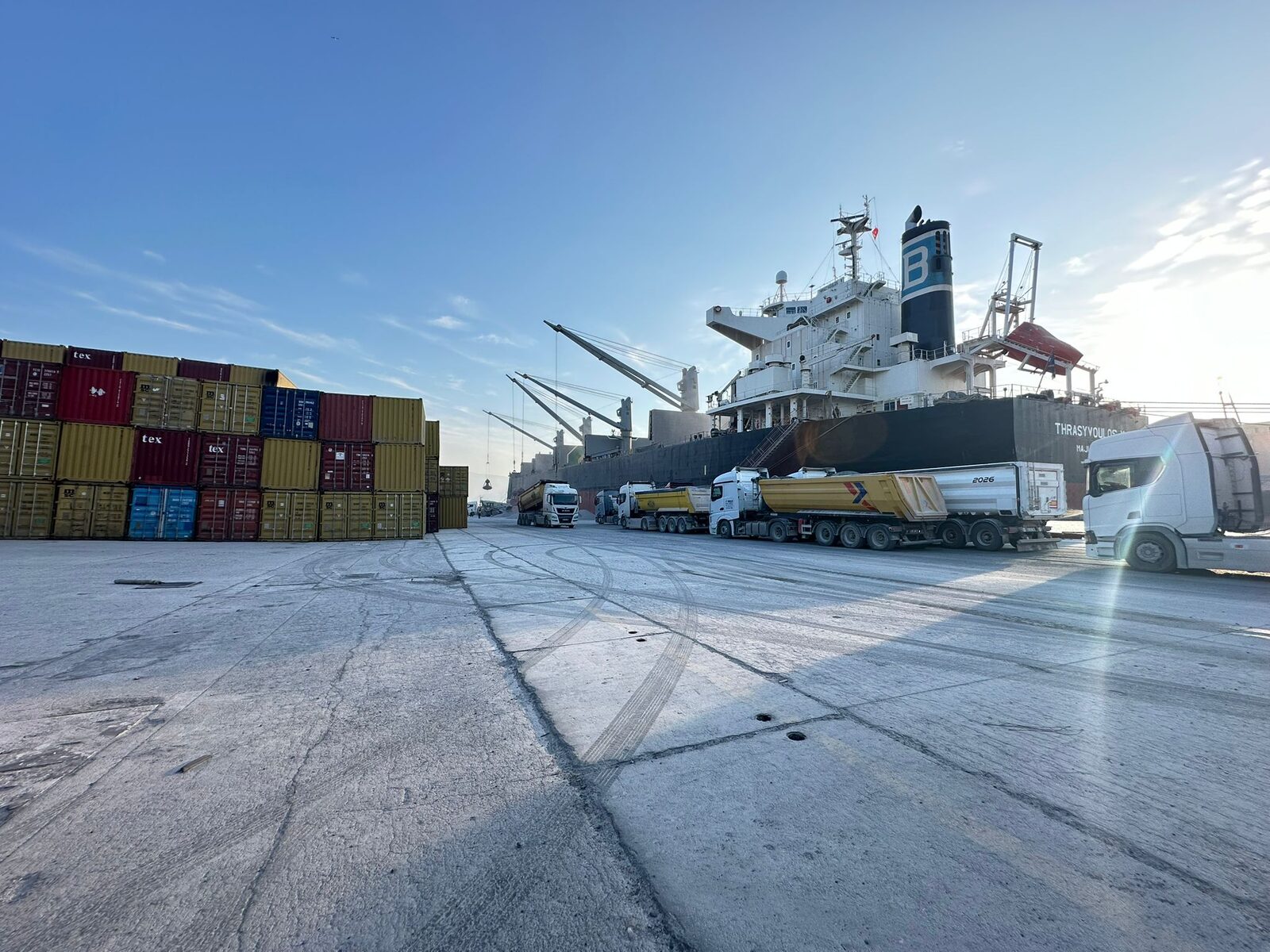
The Baltic Dry Index closed at 2,680 points on Wednesday 21 October 2026, up 87 points on the session and the third consecutive daily gain, as the capesize segment continued to pull the composite higher while panamaxes gave back ground.
Baltic Indices: Close of 21 October 2026
| Index | Close | Change | Avg. daily earnings |
|---|---|---|---|
| BDI | 2,680 | +87 pts | - |
| BCI (Capesize) | 3,793 | +271 pts | $34,398 (+$2,453) |
| BPI (Panamax) | 2,204 | -43 pts | $19,836 (-$387) |
| BSI (Supramax) | 1,870 | +2 pts | $23,638 (+$23) |
| BHSI (Handysize) | 1,019 | +2 pts | $18,336 (+$31) |
Capesize has now added 428 index points across three sessions, from 3,365 on 19 October to 3,793, and average daily earnings have climbed above $34,000. That is a notable reversal of the pattern we saw in the Baltic Exchange weekly report for 12-16 October, when the 5TC time charter average slid from $37,618 on Monday to $29,464 by Friday. Panamax, by contrast, has now slipped for three sessions in a row, from 2,286 to 2,204, while supramax and handysize are essentially flat.
Capesize: Pacific Support Returns
The West Australia to Qingdao iron ore route (C5) closed the week of 12-16 October at $11.70 per metric ton, recovering from a low of $11.25 on Thursday after two major miners returned to the market on Friday. The current rebound in the capesize index suggests that renewed miner participation has carried into the new week, although the Atlantic remains the weaker basin: the Baltic Exchange noted abundant tonnage and limited buying appetite in South Brazil and West Africa to China business during the same week.
Panamax: A Divided Market
The panamax and kamsarmax sector continues to split along basin lines. Pacific demand from Australia, Indonesia and the North Pacific has been comparatively resilient, while the Atlantic has suffered from tonnage accumulating in the North Continent and South Atlantic, with charterers testing lower levels. The falling BPI is consistent with that picture.
Bunker Prices: 21 October 2026
| Port | VLSFO ($/mt) | Change | MGO ($/mt) | Change |
|---|---|---|---|---|
| Singapore | 932.00 | -0.50 | 1,345.00 | +27.00 |
| Rotterdam | 759.00 | -6.00 | 1,425.00 | -11.50 |
| Fujairah | 968.00 | -11.50 | 1,735.00 | -58.50 |
VLSFO was broadly softer across the three hubs, with Fujairah and Rotterdam each shedding more than $6. Marine gasoil moved in different directions, rising in Singapore while falling sharply in Fujairah, and the gap between VLSFO and MGO remains very wide at all three ports, which keeps the cost of switching fuel grades high for owners trading in emission control areas.
Crude Oil
Brent is trading at $88.02 per barrel at the time of writing. With fuel remaining a major voyage cost, owners and charterers will be watching whether crude holds at this level, particularly for slow-steaming decisions on ballast legs.
What We Are Watching
- Whether capesize can hold above 3,700 or whether the rebound proves to be a short-lived correction after last week's slide.
- Further miner activity on C5 and any pickup in Atlantic fixing from Brazil and West Africa.
- Atlantic panamax tonnage build-up and whether Pacific demand can offset it.
- Divergence between VLSFO and MGO prices, especially in Singapore and Fujairah.
- Brent direction against the current $88 level.