
Capesize Pulls the Baltic Dry Index to 2,712 as Panamax and Supramax Soften: Market Insight, 1 November 2026
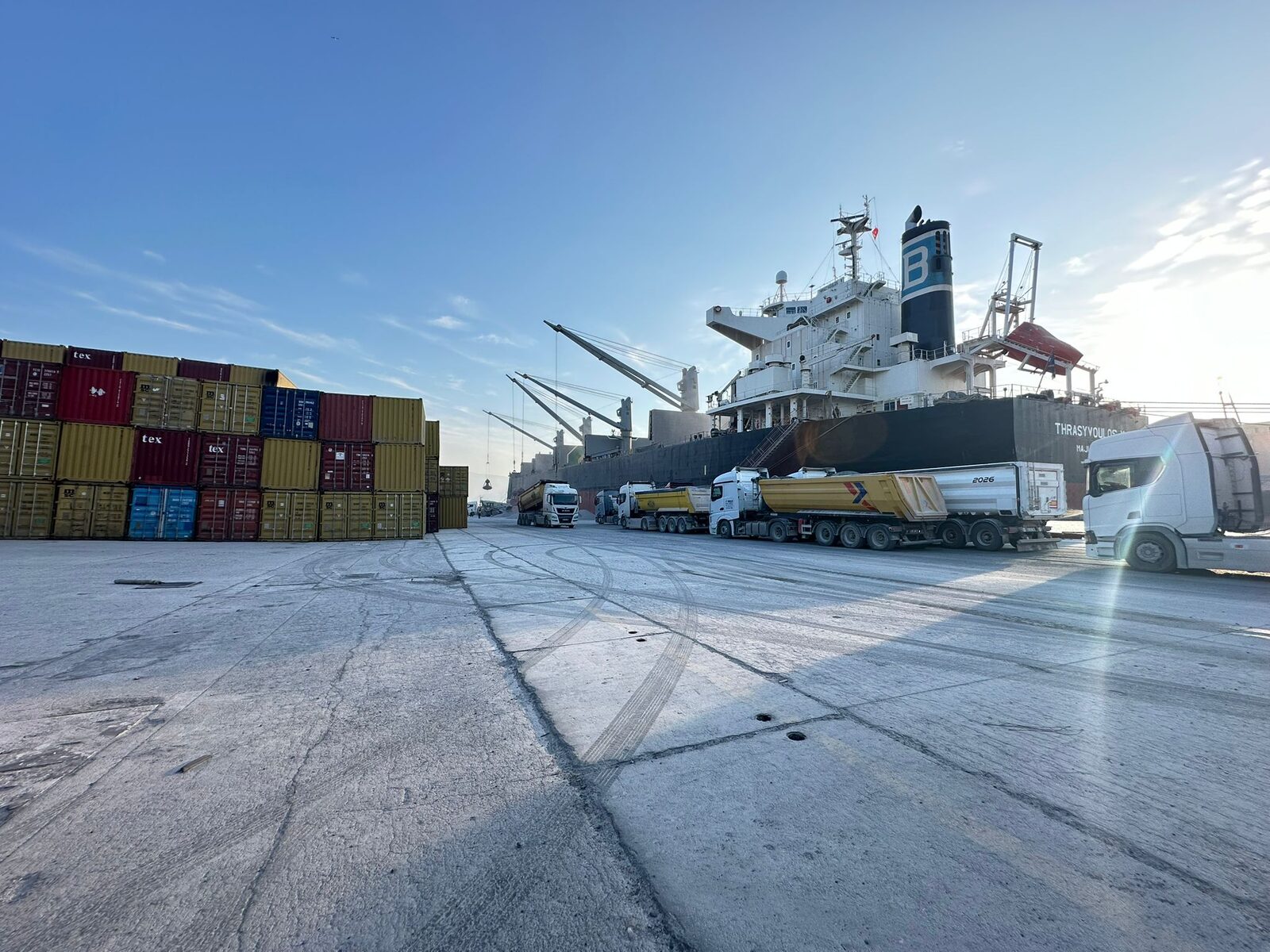
The dry bulk market starts the new week with a clear split between the large and the small ships. The most recent confirmed daily close, dated 29 October 2026, shows the Baltic Dry Index (BDI) up 60 points at 2,712, with the entire gain coming from the Capesize segment while Panamax, Supramax and Handysize all gave back ground. The Friday 30 October print was not confirmed at the time of writing.
Baltic Indices, 29 October 2026 Close
| Index | Level | Daily change | Average daily earnings |
|---|---|---|---|
| BDI | 2,712 | +60 points | – |
| BCI (Capesize) | 4,090 | +204 points | $37,095 (+$1,850) |
| BPI (Panamax) | 1,921 | -44 points | $17,289 (-$397) |
| BSI (Supramax) | 1,870 | -8 points | $23,641 (-$92) |
| BHSI (Handysize) | 1,015 | -2 points | $18,274 (-$30) |
The Capesize index has now added 204 points in a single session after a 184-point gain the day before, lifting average daily earnings to $37,095. Over the week, the Capesize 5TC moved from roughly $33,800 on Monday to above $37,400 by Friday as tonnage tightened in both basins. Panamax earnings, by contrast, have slipped for a sixth straight session and now sit about $2,000 per day below the previous Thursday, with the Atlantic still the weaker basin.
Capesize Routes: Atlantic Leads, Pacific Pauses
In the Atlantic, the South Brazil and West Africa to China trades gained traction as fixing activity picked up, and C3 (Tubarao to Qingdao) advanced from the mid-$34s to the high-$36s per tonne during the week of 26 to 30 October 2026. With most end-November cargoes now covered, charterers are turning their attention to December dates. In the Pacific, C5 (West Australia to Qingdao) held around the high-$13s to $14 early in the week, pushed into the low-$15s by Thursday, and then eased slightly on Friday as activity thinned and offers were talked back below $15.
Bunkers, 30 October 2026
| Port | VLSFO ($/mt) | Change | MGO ($/mt) | Change |
|---|---|---|---|---|
| Singapore | $1,019.50 | +17.50 | $1,278.00 | -1.00 |
| Rotterdam | $794.50 | +16.50 | $1,425.50 | -1.50 |
| Fujairah | $993.50 | +9.50 | $1,689.00 | -8.00 |
VLSFO rose at all three hubs while marine gasoil was marginally lower. Singapore VLSFO has now crossed the $1,000 per tonne mark, which matters for voyage estimates: on a Capesize burning around 55 tonnes per day, each $10 move in fuel is worth roughly $550 per day, so the recent bunker climb absorbs a visible slice of the earnings gain on the index.
Brent and the Cost Backdrop
Brent crude is trading at about $113.40 per barrel at the time of writing. With crude at these levels, fuel remains the main swing factor in net TCE for owners and in delivered cost for charterers. Owners fixing ballast legs, such as the Panamax and Supramax units repositioning from the Indian Ocean and South America, are carrying the heaviest fuel burden relative to the freight they can secure.
What We Are Watching
- Whether the Capesize bid carries into December dates now that late-November stems are largely covered, and whether C5 can hold the $15 area after Friday's softer tone.
- Panamax sentiment in the Atlantic, where tonnage lists keep growing and ballasting from the Indian Ocean adds to supply.
- Supramax in the US Gulf, where grain and petcoke stems have become scarce and rates have started to drop.
- The confirmed 30 October print for all five indices, and the direction of Brent and VLSFO into the new week.