
Baltic Dry Index Jumps to 2,926 as Capesize Extends Rally; Brent Eases to $85 After Hormuz Spike
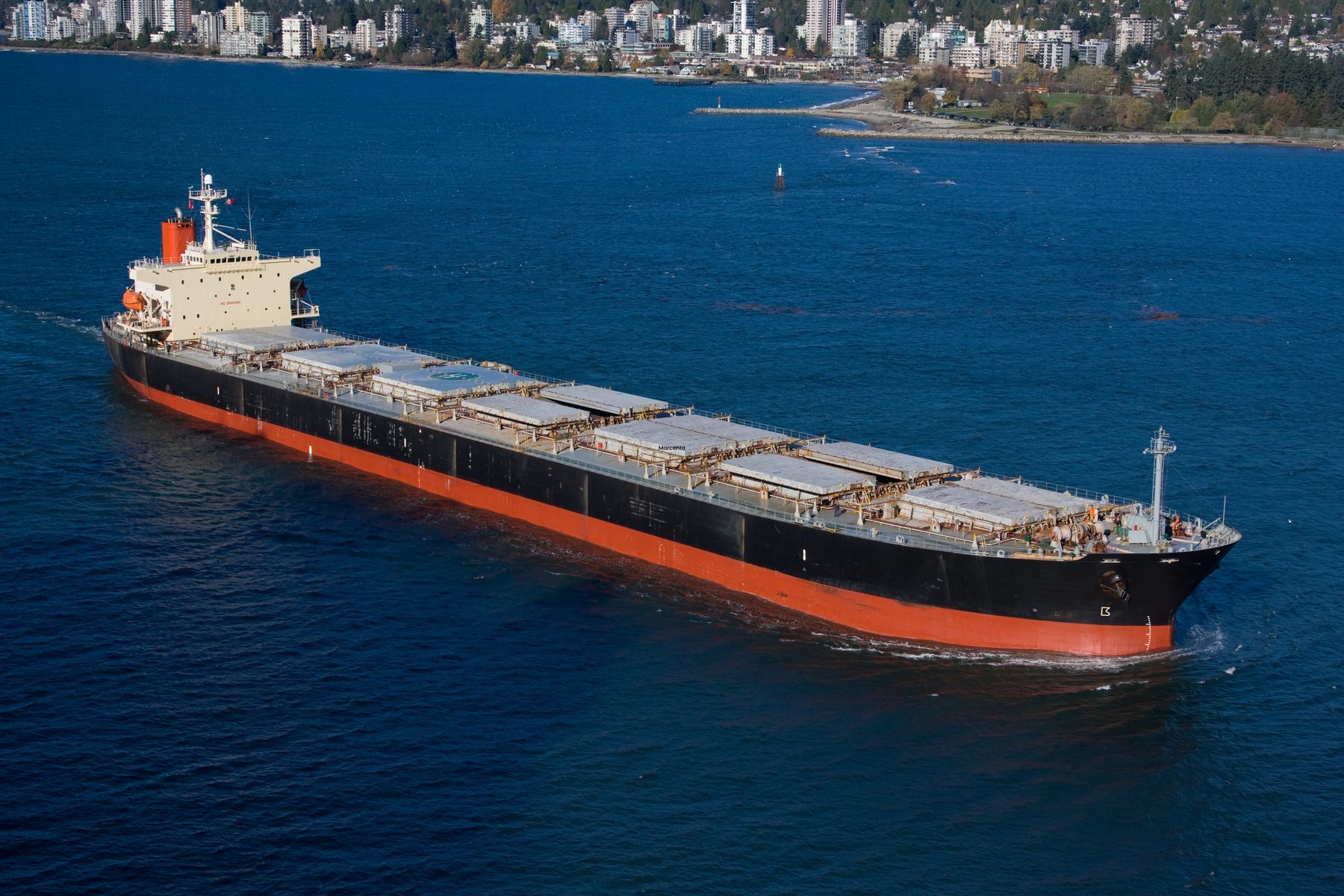
The Baltic Dry Index rose 44 points (+1.5%) to 2,926 at Tuesday’s close, its highest level since mid-August, as Capesize rates extended their rally for a third straight session. The Baltic Capesize Index climbed 2.0% to 4,735, Panamax added 1.6% to 2,166, while Supramax and Handysize both nudged higher to 1,643 and 877 respectively. Separately, Brent crude has eased to $85.00 a barrel today, down $3.58, retreating from Monday’s spike to $90.54 as some of the acute Strait of Hormuz risk premium unwinds.
Capesize Leads the Rally for a Third Straight Session
The capesize segment did the heavy lifting again, with the Pacific market remaining the principal driver of rate direction. Baltic Capesize Index C5 softened from just below $14.00 to around $13.20 before stronger operator demand — and possibly some pre-positioning ahead of a tropical depression affecting the northern South China Sea — lifted it back towards $14.80. C3 held closer to $35.80 on limited fixing activity, with market attention increasingly shifting toward end-September cargo nominations as the next catalyst. Panamax and Supramax both firmed in tandem, while Handysize inched higher on tighter East Coast South America positions.
Bunker Prices Little Changed, Still Historically High
VLSFO held around $831.50 in Singapore (-$2.00), $681.00 in Rotterdam (+$5.50), $823.50 in Fujairah (-$0.50) and $704.50 in Houston (+$4.00) — a quiet day port to port, but all four ports remain well above where they sat before the Hormuz situation escalated. Owners fixing prompt tonnage should factor the current elevated bunker base into any voyage estimate rather than the levels seen earlier in the year.
Hormuz Risk Premium Still the Wildcard
The Gulf has remained a live flashpoint since the US and Israel opened hostilities against Iran in late February, and Brent’s swing from $90.54 on Monday to $85.00 today is a reminder of how quickly that risk premium can move in either direction. UKMTO reported a tanker struck by a drone in the Strait this week, while India has opened its seaports and airports to cargo diverted away from the Gulf corridor — the underlying disruption hasn’t resolved, even as today’s price action eases. For dry bulk owners and charterers, the practical effect is a bunker cost base that can shift materially day to day, even where the underlying dry freight market is now moving on its own fundamentals.
Sources: Baltic Exchange, HandyBulk, Ship & Bunker, UKMTO. This article is for general market information only and does not constitute freight advice; for a fixture-specific read, contact the desk directly.