
Brent Crude Surges Above $89 as Iran-Hormuz Deal Hopes Lift Dry Bulk Bunker Costs
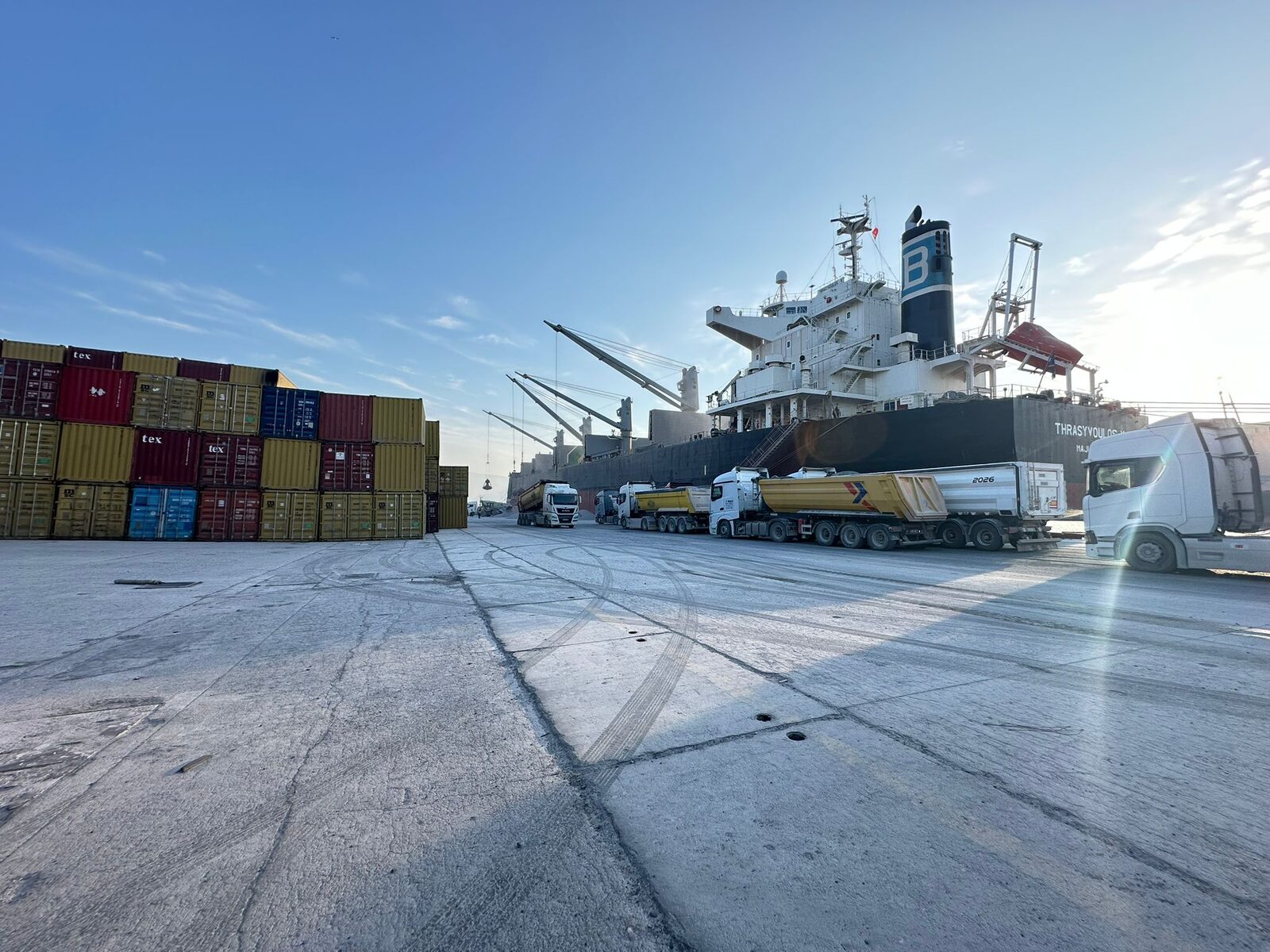
Rising dry bulk bunker costs are back in focus this week as Brent crude extends a six-session rally, climbing above $89 per barrel on Wednesday — its highest level in nearly two weeks and up more than 9% since last Friday's close of $82.21. The move is driven almost entirely by geopolitics: reports that the US and Iran are edging closer to an arrangement over the Strait of Hormuz have collided with a tougher line from Washington on reparations, leaving oil markets swinging on every headline. For dry bulk owners and charterers, that volatility is translating directly into higher bunkering bills and tighter voyage margins.
Bunker Prices Climb Across the Board
VLSFO in Singapore is now quoted at $834.00 per tonne, up $12.50 on the day, while Rotterdam has firmed to $646.50 (+$10.00) and Fujairah to $813.00 (+$21.00). MGO has moved even more sharply higher, with Singapore up $17.00 to $1,156.50, Rotterdam up $38.50 to $1,194.50, and Fujairah up $16.00 to $1,312.50. For an owner running a Capesize or Panamax voyage on a fixed freight rate, a bunker move of this size can erode several thousand dollars a day from the bottom line — which is exactly why bunker cost forecasting is now a standing item in every voyage estimate we run for clients on voyage and time charter business.
Baltic Dry Index Holds Near a Nine-Week High
The freight side of the market has been comparatively calm. The Baltic Dry Index eased 6 points to 3,083 on Monday’s close, easing off Friday’s nine-week high, with the Capesize index (BCI) down 0.5% to 5,105 and the Panamax index (BPI) up 0.4% to 2,306 — its strongest print since early June. The Supramax index (BSI) was little changed at 1,603, while the Handysize index (BHSI) slipped 2 points to 872. Tuesday’s close had not yet been published at the time of writing; we will update the ticker on marcenta.co.uk as soon as it prints.
What This Means for Owners and Charterers
With Hormuz headlines moving oil several dollars a session in either direction, the sensible response for both owners and charterers is to keep bunker exposure and freight exposure separate wherever possible — whether that means BAF clauses, bunker adjustment mechanisms, or simply shorter-dated fixtures until the geopolitical picture clarifies. Our team tracks this alongside owner representation mandates across the fleet, and the pattern from this week is a reminder that a firm freight market can still mask a deteriorating cost base if bunkers are left unmanaged. If you want a live read on how this affects a specific voyage or fixture, get in touch with the desk.
Sources: Trading Economics, Ship & Bunker, HandyBulk. This article is for general market information only and does not constitute freight advice; for a fixture-specific read, contact the desk directly.