
Baltic Dry Index jumps as Capesize swings from weak open to firm close
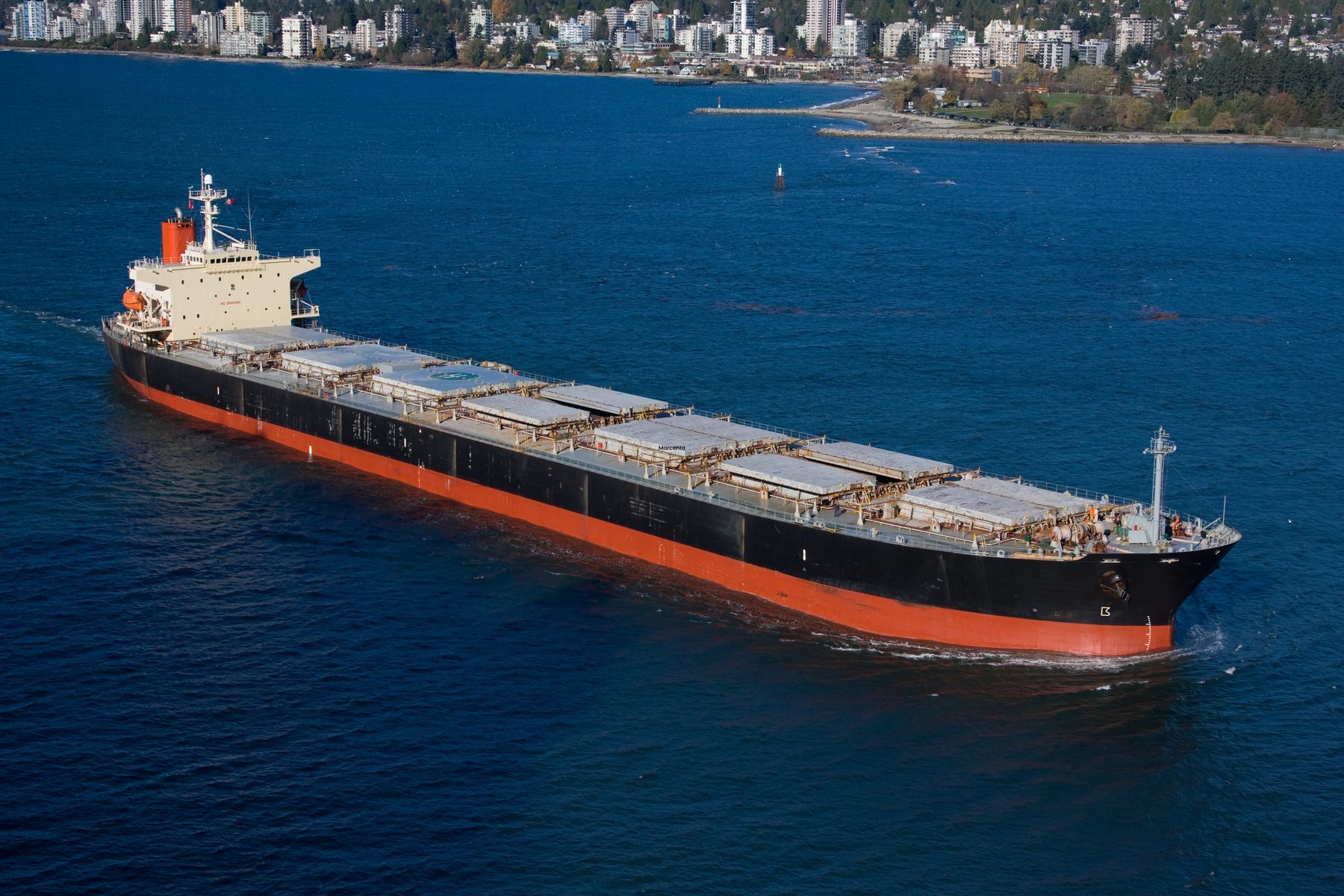
The Baltic Dry Index closed 31 July at 2,732, up 59 points (+2.2%) on the day — its best move in weeks, and once again a Capesize story. The Baltic Capesize Index (BCI) jumped 129 points to 4,296 (+3.1%), but the route behind that number tells a more interesting story than the headline gain: it was a week that opened weak and closed firm.
A weak open, a firm close
Early in the week, thin Atlantic cargo volumes and easing bunker prices encouraged owners to accept lower offers, and rates drifted down accordingly. The South Atlantic was the main drag: the Capesize C3 route corrected sharply amid limited bidding interest and increasing owner willingness to concede on price, while Pacific C5 fixing levels gradually retreated below $12.00 even though miner activity stayed relatively consistent — there simply wasn't enough enquiry to hold the line.
The tone shifted by Friday. Fresh cargoes emerged in the Atlantic and C3 levels recovered towards the $34 mark, reversing much of the earlier decline. The Pacific regained momentum too, with stronger miner and operator activity pushing bids back into the mid-$12s and some operator business approaching $13.00. The North Atlantic stayed quiet throughout, with only sporadic transatlantic enquiry and limited fronthaul activity.
Panamax, Supramax and Handysize: a steadier picture
The smaller segments moved far less than Capesize, which is itself the story. The Panamax Index (BPI) added 47 points to 2,087 (+2.3%), a real gain but a fraction of Capesize's move, consistent with a panamax market that has been more about ship supply than a cargo surge. The Supramax Index (BSI) was essentially flat, down 1 point to 1,609 (-0.1%), while the Handysize Index (BHSI) eased 3 points to 887 (-0.3%) — both segments still working through the usual summer slowdown in North America and the Atlantic, without the swings that Capesize saw this week.
Bunkers add another layer to the maths
Voyage economics moved just as much as freight this week. Ship & Bunker's global price board has Singapore VLSFO up to $837.50/mt (+$7.00) and Fujairah up to $808.50/mt (+$4.50), while Rotterdam eased to $678.50/mt (-$4.50). Brent crude was the more dramatic mover — Ship & Bunker's own oil price series shows Brent gaining $12.47 on 27 July and a further $5.30 on 29 July before settling at $89.68 on 31 July, a swing that's easy to miss if a TCE was last checked earlier in the week.
None of this changes the fixture in front of a charterer today, but it changes what "the market" means by the time an offer is countered. A Capesize route that corrects sharply on Monday and recovers most of the way back by Friday can look, on a weekly average, like nothing happened at all. Marcenta's desk re-checks the daily print and the bunker snapshot together before any number goes out — not just the week's opening or closing level.
Sources: HandyBulk — Baltic Dry Index Daily Updates, Ship & Bunker — World Bunker Prices. This article is market commentary from the Marcenta chartering desk and does not constitute freight advice — for a fixture-specific read, contact the desk directly.